Stop Losing Money: Why Your Business Needs a Structured Follow-Up Process

Welcome back to the Business Growth Talks blog! As business owners, entrepreneurs, and sales professionals, we pour an incredible amount of time, energy, and financial resources into generating leads. Whether through paid advertising, content marketing, networking events, or cold outreach, getting a potential customer to raise their hand and show interest is no small feat. Yet, astonishingly, many businesses drop the ball the moment a lead enters their ecosystem. If you have ever wondered why your conversion rates are stagnant despite a steady stream of inquiries, you are in the right place. In this post, we are going to dive deep into why a structured follow-up process is the ultimate missing link in your revenue engine. This topic expands directly upon our recent conversation with Jason Kramer on the podcast, which you can listen to in full by checking out Unlocking the Secrets of Seamless Sales: From Leaky Funnels to Closing Deals With Jason Kramer.
The Leaky Funnel: Why You Are Losing Money on Warm Leads
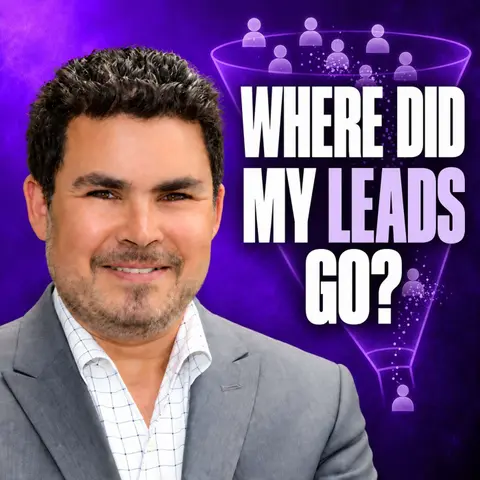
Imagine filling a bathtub with the plug left wide open. No matter how much water you pour into the tub, it will never fill up. This is precisely what happens to most companies when they operate with a leaky sales funnel. They spend thousands of dollars driving traffic and acquiring leads, only to let those warm prospects slip through the cracks due to a lack of organization, speed, and follow-through.
A warm lead is someone who has actively demonstrated interest in your product or service. They might have filled out a contact form on your website, downloaded a whitepaper, or replied to an email outreach campaign. At that exact moment, their interest and intent are at peak levels. However, consumer attention is fleeting. If you wait days or even weeks to respond, that warmth dissipates. Worse yet, they likely moved on to a competitor who responded within minutes. Fixing your leaky funnel is not just about capturing more leads; it is about respecting the marketing budget you have already spent by capitalizing on the opportunities you have already generated.
The 36% Problem: The Hidden Cost of Missing a Structured Follow-Up
One of the most shocking statistics highlighted during our discussion with Jason Kramer is that only about 36% of businesses have a proper, structured lead nurturing process in place. Think about that for a moment. Nearly two-thirds of companies are essentially winging it when it comes to managing the lifeblood of their business.
Without a structured follow-up process, sales communication becomes chaotic. Leads are jotted down on sticky notes, forgotten in overflowing email inboxes, or tracked in messy spreadsheets that nobody updates. The hidden cost of this disorganization is staggering. Deals are lost not because the product was bad or the price was too high, but simply because nobody followed up a second or third time. Sales rarely happen on the first touchpoint. Studies consistently show that it takes multiple points of contact to close a sale, yet many sales reps give up after just one attempt. Implementing a structured process ensures that no lead is ever left behind, transforming hidden losses into predictable revenue.
Jason Kramer's 5-Step Lead Nurturing Framework
To fix this widespread problem, we need a proven methodology. Jason Kramer shared his robust 5-step framework designed to take the guesswork out of lead management and guide prospects seamlessly from initial interest to a closed deal. Let us break down these five crucial steps:
- Discovery: This is the foundation where you listen to the prospective client, understand their pain points, and map out their current operational realities. Without deep discovery, you are trying to sell a solution to a problem you do not fully understand.
- Diagnosing Problems: Once you have gathered the data during discovery, you must pinpoint the exact friction points holding the prospect back. This diagnostic phase positions you as a trusted advisor rather than just another pushy salesperson.
- Designing Solutions: Armed with a clear diagnosis, you can now architect a tailored solution. This step ensures your pitch directly addresses the prospect's unique challenges, making it an easy "yes."
- Implementing Appropriate Technology: Technology should always serve the process, not dictate it. In this step, you deploy the right tools—such as CRM systems and automation software—to support your workflow efficiently.
- Ongoing Optimization: A sales process is never truly finished. Continuous tracking, testing, and tweaking ensure your follow-up sequence becomes more effective over time.
Choosing and Implementing the Right CRM Without the Headaches
When businesses finally realize they need a structured follow-up process, their immediate reaction is often to run out and buy the most popular Customer Relationship Management software on the market. Unfortunately, this is where many organizations stumble.
Choosing a CRM based solely on flashy features or a low price tag is a recipe for disaster. If a software does not align with your actual business processes, your team simply will not use it. Before shopping for technology, map out your workflow on a whiteboard. Understand how leads enter your world, who handles them, what communication needs to happen, and what constitutes a closed deal. Only once your process is clearly defined should you evaluate CRMs that complement your workflow. Furthermore, proper team training and adoption strategies are essential to ensure the software actually gets utilized.
Leveraging AI and Automation While Keeping the Human Touch
Artificial Intelligence and marketing automation have revolutionized how businesses handle lead nurturing. Today, tools can clean up messy databases, schedule follow-up emails based on user behavior, and even assist with ideation and content creation. When used correctly, AI acts as a force multiplier for your sales team.
However, there is a dangerous trap here: losing the human touch. Automation and AI are fantastic for handling repetitive tasks, scheduling, and data management, but they should never completely replace genuine human interaction. People buy from people they know, like, and trust. Prospects can easily spot an overly automated, robotic sequence that lacks empathy or personalization. Use AI to streamline the behind-the-scenes work, but ensure that every direct message, phone call, and consultation feels deeply personal and human.
Consistency is King: Daily Habits for Better Prospecting
Processes and technology are useless without consistency. One of the most common pitfalls in business growth is the feast-or-famine cycle: companies hustle hard for new business until they are busy, stop prospecting entirely while fulfilling orders, and then panic when the pipeline runs dry.
Breaking this cycle requires building daily prospecting habits. Dedicate specific, non-negotiable blocks of time each day to review your pipeline, respond to warm leads, and conduct outbound prospecting activities. Consistency compounds over time. Showing up every single day ensures a steady, predictable flow of opportunities, making revenue volatility a thing of the past.
Actionable Steps to Fix Your Follow-Up Process Today
Reading about strategy is inspiring, but taking action is where real growth happens. If you want to stop losing money on neglected leads, here is your immediate action plan:
- Audit Your Current Funnel: Look at your last 50 leads. Where did they drop off? Who followed up, and how many times? Uncover the leaks in your system.
- Define Your Follow-Up Cadence: Create a standard operating procedure for new inquiries. Decide how quickly a lead must be contacted and map out a multi-touch sequence combining email, phone calls, and LinkedIn outreach.
- Clean Up Your Data: Remove dead contacts from your database and organize active warm leads so they are easily accessible to your team.
- Commit to Daily Consistency: Block out 30 to 60 minutes every morning dedicated solely to lead management and follow-up activities.
Conclusion
Fixing your follow-up process is one of the highest-leverage activities you can undertake as a business owner. By moving away from chaotic, ad-hoc responses and adopting a structured framework, you will instantly boost conversions, maximize your marketing ROI, and build stronger relationships with your prospects. Do not let another warm lead slip through the cracks due to a lack of organization. To dive even deeper into this topic and discover advanced strategies for transforming your sales pipeline, make sure to listen to the full episode: Unlocking the Secrets of Seamless Sales: From Leaky Funnels to Closing Deals With Jason Kramer. Stay consistent, keep nurturing those relationships, and watch your business grow!

Why One Nurtured Relationship Beats a Hundred Cold Contacts