Guerrilla PR: How to Out-Market Competitors With No Budget
Welcome back to the podcast companion blog. Today, we are diving deep into one of the most fascinating aspects of bootstrapping a business: generating massive brand awareness when you have virtually zero dollars for marketing. If you are a startup founder, entrepreneur, or small business owner, you have likely looked at the pricing models for digital ads, PR agencies, and traditional media buys and felt your stomach drop. How are you supposed to compete with heavily funded corporations that can throw millions of dollars at billboards, television spots, and top-tier public relations firms?
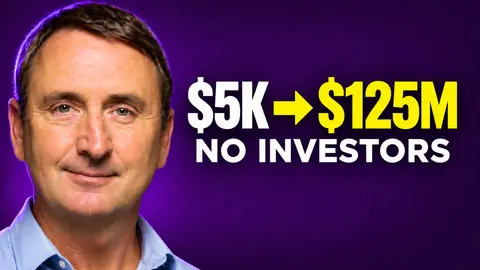
The good news is that money does not equal momentum. In fact, relying solely on deep pockets often leads to lazy marketing. When you are forced to operate on a shoestring budget, you discover creative, aggressive, and highly personal ways to get your message out to the world. This approach is often called guerrilla PR, and it was famously mastered by Jon Ferrara, co-founder of GoldMine and founder of Nimble. If you want to dive into the full masterclass on how Jon built a massive tech empire without taking venture capital, make sure to listen to the companion episode, He Sold His CRM for $125M With No Investors, Then Walked Away for 10 Years.
Introduction to Guerrilla PR and Bootstrapping
Bootstrapping forces you to think differently about every single business function, but marketing is where creativity matters most. Traditional public relations playbook dictates that you hire an expensive agency, draft press releases, and blast them out to journalists in the hopes that someone picks up your story. For a bootstrap startup, this strategy is an expensive gamble with terrible odds. Journalists receive hundreds of pitches every single day, and most of them go straight into the digital trash can.
Guerrilla PR throws the traditional playbook out the window. Instead of relying on corporate budgets and impersonal mass emails, guerrilla marketing relies on time, hustle, ingenuity, and deeply personal relationships. It is about finding unconventional ways to capture attention, shock the system, and get people talking about your brand without spending a fortune. When you do not have money to buy your way into the conversation, you have to hustle your way in. This requires understanding how the media works, knowing what makes a compelling story, and treating every single interaction as an opportunity to build an advocate.
The GoldMine Story: Beating Well-Funded Competitors on a Shoestring Budget
To truly understand the power of guerrilla PR, you have to look at the origins of GoldMine. Back in the late 1980s, Jon Ferrara and a college friend started the company with a meager budget of just $5,000. They did not have external investors, they did not have bank loans, and they were entering a software market that was quickly getting crowded with well-funded competitors who had massive marketing war chests.
At the time, enterprise software and contact management systems were marketed through traditional corporate channels. The established players were spending exorbitant amounts on trade shows, print advertisements, and professional PR firms to secure inches of column space in major technology publications. GoldMine, on the other hand, could barely afford the phone bill. Yet, despite being vastly outspent, GoldMine managed to capture the market's attention in a way that left their corporate competitors scratching their heads. By the time they eventually sold the company for $125 million in 1999, GoldMine was a household name in the small business CRM space. How did they do it? They simply out-hustled everyone else by making themselves impossible to ignore.
What Is Guerrilla PR and Why Earned Attention Beats Paid Ads
In today's digital landscape, consumers are bombarded with thousands of marketing messages every single day. We have developed an almost automatic defense mechanism against traditional advertising. We scroll past sponsored posts on social media, we install ad-blockers on our web browsers, and we skip video ads the second the skip button lights up. Paid ads are losing their effectiveness because people inherently distrust them; we know that a company paid to say good things about itself.
Earned attention, on the other hand, carries immense psychological weight. When a trusted journalist writes an article about your product, or when an industry influencer talks about how your software solved their biggest problem, it is not an ad—it is an endorsement. Guerrilla PR is entirely focused on earning that attention. It is about positioning your brand as part of a larger, interesting narrative rather than just another company trying to make a sale. Earned media builds instant credibility, drives organic traffic, and creates long-term brand equity that paid ads simply cannot buy.
Jon Ferrara's Playbook for Securing Maximum Press Coverage With No Money
So, how did Jon Ferrara actually secure more press coverage than all of GoldMine's well-funded competitors combined? It came down to a relentless, hands-on approach to media relations. Jon realized that journalists are human beings who are constantly looking for good stories, unique angles, and expert commentary. Instead of sending boring, corporate press releases, Jon built real relationships with the writers and editors covering the tech industry.
He picked up the phone. He called journalists directly, took the time to understand what they were writing about, and positioned himself as a helpful resource rather than just a pushy vendor. If a journalist was writing a story about the challenges small businesses faced with technology, Jon did not just pitch his product—he provided valuable industry insights, trends, and data. By making himself a go-to source for the press, the press naturally began writing about GoldMine. He understood that PR is not about talking about how great your company is; it is about inserting yourself into the conversations that are already happening in your industry in a meaningful, helpful way.
Leveraging Influencer Marketing and Strategic Business Development
Long before influencer marketing became a multi-billion-dollar industry dominated by Instagram and TikTok creators, bootstrapping founders like Jon Ferrara were using early forms of influencer marketing and strategic business development to scale their brands. In the tech world, this meant partnering with complementary software and hardware vendors, consultants, and industry thought leaders who already had the attention of your target audience.
Strategic business development is all about leverage. Instead of trying to acquire every single customer one by one, you find partners who already have relationships with hundreds or thousands of your ideal customers and you figure out a way to create mutual value. For GoldMine, this meant working closely with consultants and resellers who installed computer systems for small businesses. By educating these key influencers and making them look good in front of their clients, GoldMine turned an army of third-party professionals into an active sales and marketing force. You do not need a massive marketing budget when you have strategic partners who are eager to recommend your solution because it makes them look like heroes.
Actionable Takeaways for Founders Looking to Build Brand Awareness Today
The principles of guerrilla PR that Jon Ferrara used in the late eighties and nineties are even more powerful today. With the internet, social media, and modern content platforms, founders have unprecedented access to their target audience and the media, often without needing a single dollar of venture capital. If you want to apply these lessons to your own business, here are a few actionable takeaways to get you started:
- Build Relationships Before You Need Them: Do not wait until you have a product launch to reach out to journalists and industry influencers. Follow them, share their work, comment on their insights, and build genuine rapport well before you ever pitch them a story.
- Focus on Providing Value, Not Pitching Products: When you talk to the media or potential partners, lead with how you can help them. Offer expert commentary, unique industry data, or solutions to common problems your audience faces.
- Leverage Strategic Partnerships: Identify non-competing businesses that target the exact same customer base as you do. Figure out how you can cross-promote, bundle your offerings, or help each other grow.
- Embrace Your Underdog Status: The media loves a good underdog story. Do not try to look like a massive corporation; lean into your entrepreneurial hustle, your mission, and the creative ways you are solving problems for your customers.
Building a business from scratch is never easy, but as Jon Ferrara proves, having a massive marketing budget is entirely optional. By trading money for hustle, creativity, and genuine human connection, you can out-market competitors who outspend you ten to one. To hear more incredible stories, business insights, and the exact strategies Jon used to build and sell multiple multi-million-dollar companies, be sure to check out the full episode He Sold His CRM for $125M With No Investors, Then Walked Away for 10 Years. Until next time, keep hustling and building smart!
Why Hiring Is the Slowest Way to Grow Your Business