From CEO Advisor to Truth Seeker: David Carter's Journey
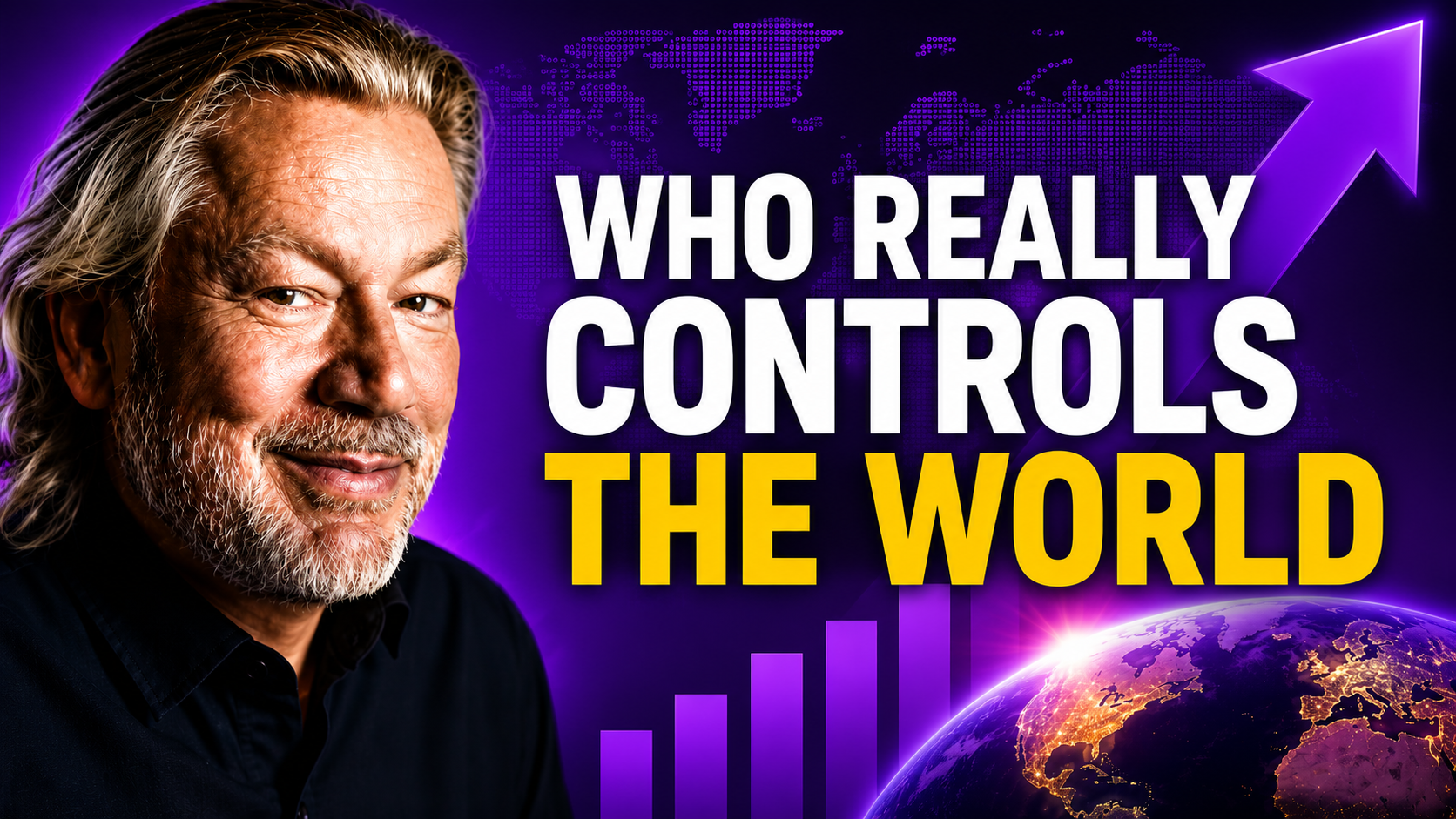
Welcome back to the blog, listeners! This week on Business Growth Talks, we had the immense pleasure of hosting a truly insightful individual, David Carter. For those of you who tuned into the episode, "The Hidden Truth: Who Really Controls Our World?" with David Carter, you know we delved into some profound topics that are rarely given the spotlight they deserve. This blog post serves as an extension of that incredible conversation, diving deeper into David’s unique trajectory from advising titans of industry to his current mission as a truth seeker, and the critical issues he’s bringing to the forefront.
David’s journey is not one of a typical academic or investigative journalist. He’s spent years in the trenches of the corporate world, understanding the inner workings of businesses and the motivations of those at the very top. This perspective gives his insights a unique gravitas, a grounding in practical realities that makes his exploration of societal undercurrents all the more compelling. In our episode, we touched upon his transition and the origins of his platform, 'The Truth Contract.' Here, we’ll unpack that transition, the core issues he’s tackling, and what his work signifies for all of us navigating an increasingly complex world.
David Carter's Background and His 'Why'
Before embarking on his path as a truth seeker, David Carter was a respected figure in the corporate advisory realm. He advised CEOs, helped shape business strategies, and navigated the intricate landscape of global commerce. This background is crucial to understanding his current work. It’s not born out of abstract theory, but out of direct experience with the systems that govern our economies and societies. He witnessed firsthand the priorities, the blind spots, and the often-unseen forces at play.
His ‘why’ for shifting his focus is deeply rooted in a growing dissatisfaction with the surface-level narratives presented by mainstream channels. The events of 2020, as he mentioned in our discussion, acted as a significant catalyst. This period of global upheaval highlighted how many critical issues were being either ignored, downplayed, or misrepresented. David realized that true progress, and indeed survival, required a more unflinching examination of uncomfortable truths – truths that might disrupt established norms or challenge comfortable assumptions. His motivation isn't to be sensationalist; it's to foster genuine understanding and, ultimately, to inspire necessary change by shining a light on the often-hidden realities that shape our collective future.
The Genesis of 'The Truth Contract'
'The Truth Contract' is more than just a platform; it's a commitment. It signifies an agreement – with oneself and with the wider community – to engage with reality as it is, rather than as we wish it to be. David envisioned 'The Truth Contract' as a space for rigorous, unvarnished discussion of topics that have profound implications but are frequently relegated to the fringes of public discourse.
The genesis of this venture lies in David’s recognition that many of the challenges we face – from economic instability to environmental degradation and demographic shifts – are interconnected and stem from systemic issues. Mainstream media often reports on these issues in isolation, failing to connect the dots or explore the root causes. David wanted to create a forum that facilitated this deeper understanding, encouraging critical thinking and informed dialogue. It's about breaking through the noise and getting to the fundamental truths that, when understood and acknowledged, empower us to make better decisions, both individually and collectively.
Unpacking the 'Hidden Truths': Global Fertility Crisis
One of the most striking and concerning topics David brought to our attention is the precipitous global decline in fertility rates. This isn't just a statistic; it's a trend with profound economic, social, and cultural ramifications. As mentioned in our podcast episode, research like that highlighted in Shana Swan's book "Countdown" points to alarming decreases in sperm counts and quality globally. Studies from 1979 to 2011, for example, revealed a significant drop in sperm concentration among men in Western countries.
David argues that these declines are not accidental but are largely driven by man-made factors. These include widespread exposure to endocrine-disrupting chemicals in our environment, processed foods, and lifestyle choices that negatively impact overall health. The implications are staggering: a shrinking workforce, an aging population, increased strain on social security systems, and a fundamental challenge to the long-term viability of societies as we know them. This is a "hidden truth" because it's a slow-moving crisis, often overshadowed by more immediate political or economic headlines, yet its long-term impact is arguably more significant.
Demographic Time Bomb: Economic and Societal Implications
The declining fertility rates David discusses are contributing to what can be termed a "demographic time bomb." This refers to the inevitable consequences of a population that is not reproducing at replacement levels. The economic implications are far-reaching. A shrinking workforce means fewer taxpayers to support an aging population, leading to increased pressure on pension funds and healthcare systems. Businesses will face challenges in finding sufficient labor, potentially hindering economic growth and innovation. The very fabric of our societies, built on generational continuity, is being tested.
Consider countries like the UK, which David briefly touched upon in our conversation. The need for sustainable growth is paramount, but this growth must be approached with a keen understanding of demographic realities. Without a growing or stable population, traditional models of economic expansion become increasingly difficult to sustain. This necessitates a re-evaluation of economic policies, immigration strategies, and social support systems. The challenge is not just about numbers; it's about the future of societal structures and how we adapt to a fundamental shift in our demographic landscape.
Environmental and Technological Factors Affecting Fertility
David emphasizes that the factors contributing to the fertility crisis are multifaceted, encompassing both environmental and technological influences. The pervasive presence of endocrine-disrupting chemicals (EDCs) in plastics, pesticides, personal care products, and even our food supply is a major concern. These chemicals can interfere with hormonal systems, impacting reproductive health in both men and women. Our modern lifestyles, with increased reliance on manufactured goods and processed foods, have inadvertently created an environment that is detrimental to our reproductive capabilities.
Furthermore, while technology has brought us unprecedented advancements, some aspects of it can also contribute to these challenges. The constant exposure to electromagnetic radiation from our ubiquitous electronic devices, for instance, is an area of ongoing research with potential implications for reproductive health. David’s work encourages us to look critically at the unintended consequences of our technological progress and its impact on fundamental biological processes. It’s a call to balance innovation with a deep understanding of our biological needs and environmental sustainability.
Vision 2061: A Blueprint for Citizen-Led Reform
In response to these pressing challenges, David has developed "Vision 2061." This isn't just a set of abstract ideas; it's a forward-looking initiative designed to propose tangible strategies for societal reform. The core of Vision 2061 is its emphasis on citizen-led reform. David believes that the solutions to our most complex problems will not come solely from top-down government mandates or corporate interests, but from informed, engaged citizens collaborating to forge a better future.
Vision 2061 aims to address key sectors such as agriculture, energy, and economic policy, envisioning how they can be restructured to be more sustainable, resilient, and equitable. It’s about fostering a paradigm shift in how we think about progress – moving away from unsustainable growth models towards systems that prioritize long-term well-being and ecological balance. The year 2061 serves as a horizon, a point in time by which we should have implemented fundamental changes to ensure a thriving future for generations to come. This initiative is a testament to David’s proactive approach, moving beyond identifying problems to proposing concrete pathways for solutions.
The Role of AI in Our Future: Opportunities and Risks
No discussion about the future would be complete without addressing the burgeoning role of Artificial Intelligence (AI). In our episode, we touched upon the dual nature of AI – its immense potential for positive transformation alongside significant risks. AI offers unprecedented opportunities for scientific discovery, medical advancements, efficiency gains in industries, and even personalized education.
However, David also highlights the critical need for caution. The concentration of AI development and control in the hands of a few entities could lead to unprecedented power imbalances and potential manipulation. We must be vigilant about how AI is developed and deployed, ensuring it serves humanity’s best interests and doesn't exacerbate existing inequalities or create new forms of control. Harnessing the benefits of AI while mitigating its risks requires careful consideration, robust ethical frameworks, and broad societal input. It’s a technology that demands our attention, our foresight, and our collective wisdom to navigate responsibly.
Conclusion: Embracing Challenging Conversations
David Carter’s journey from CEO advisor to truth seeker is an inspiring example of what happens when experience meets conscience and a commitment to unearthing critical, often uncomfortable, realities. His work with 'The Truth Contract' and initiatives like 'Vision 2061' are vital in challenging the status quo and fostering a more informed, engaged citizenry.
In our episode, "The Hidden Truth: Who Really Controls Our World?" with David Carter, we only scratched the surface of the profound issues he’s dedicated to exploring. This blog post has aimed to provide a deeper dive into his motivations, the gravity of the global fertility crisis, the implications of demographic shifts, and the forward-looking solutions he proposes, including the transformative potential and inherent risks of AI. David’s message is clear: we must be willing to engage in challenging conversations, to look beyond the superficial, and to understand the interconnected truths that are shaping our present and will define our future. Thank you for joining us, and we encourage you to continue these important discussions.
Stop Losing Money: Why Your Business Needs a Structured Follow-Up Process